
CAL FIRE Defensible Space Zones
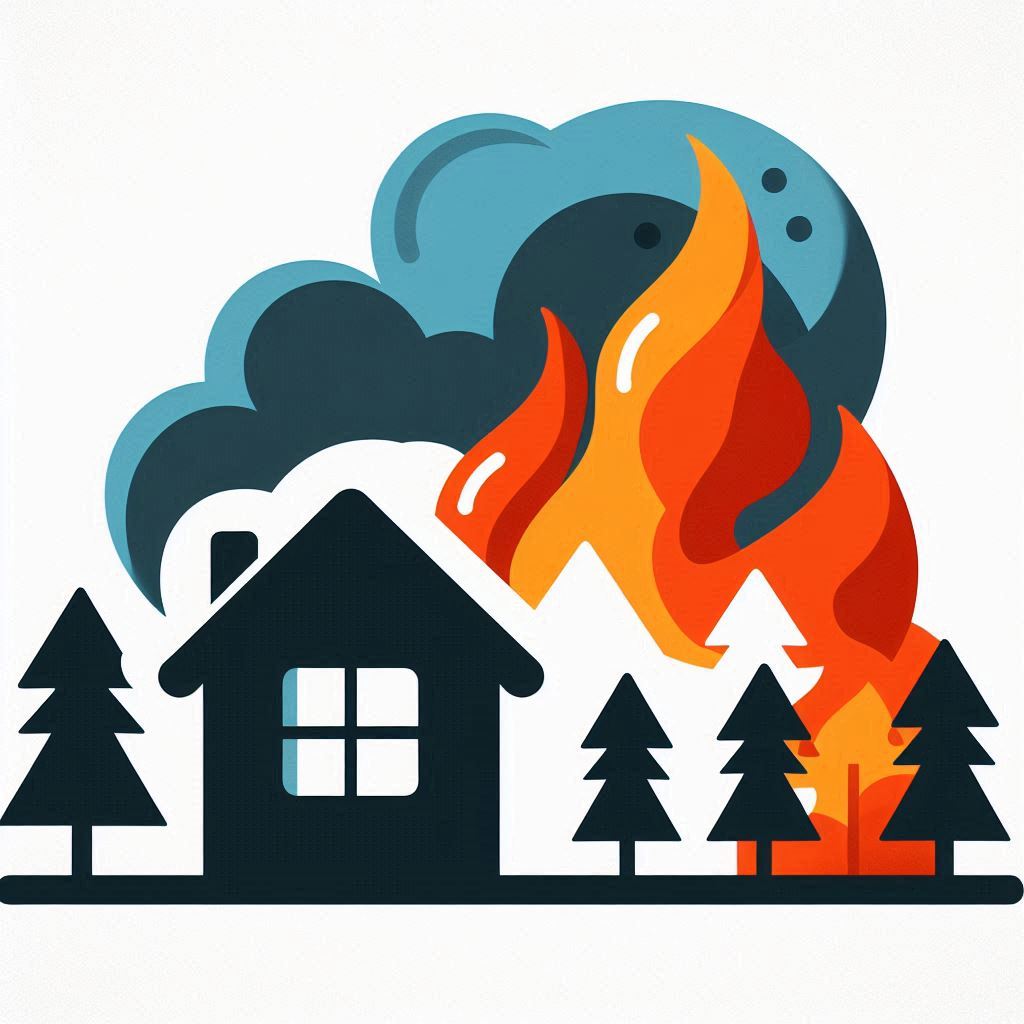
Maintaining proper defensible space around your home is key to fire safety in Northern California. CAL FIRE defines three zones to guide vegetation and tree management: Zone 0: 0–5 ft from structuresKeep this area completely clear of flammable vegetation. Remove all brush, mulch, and low-hanging branches to minimize fire risk. Zone 1: 5–30 ft from […]
Understanding Mistletoe on Trees
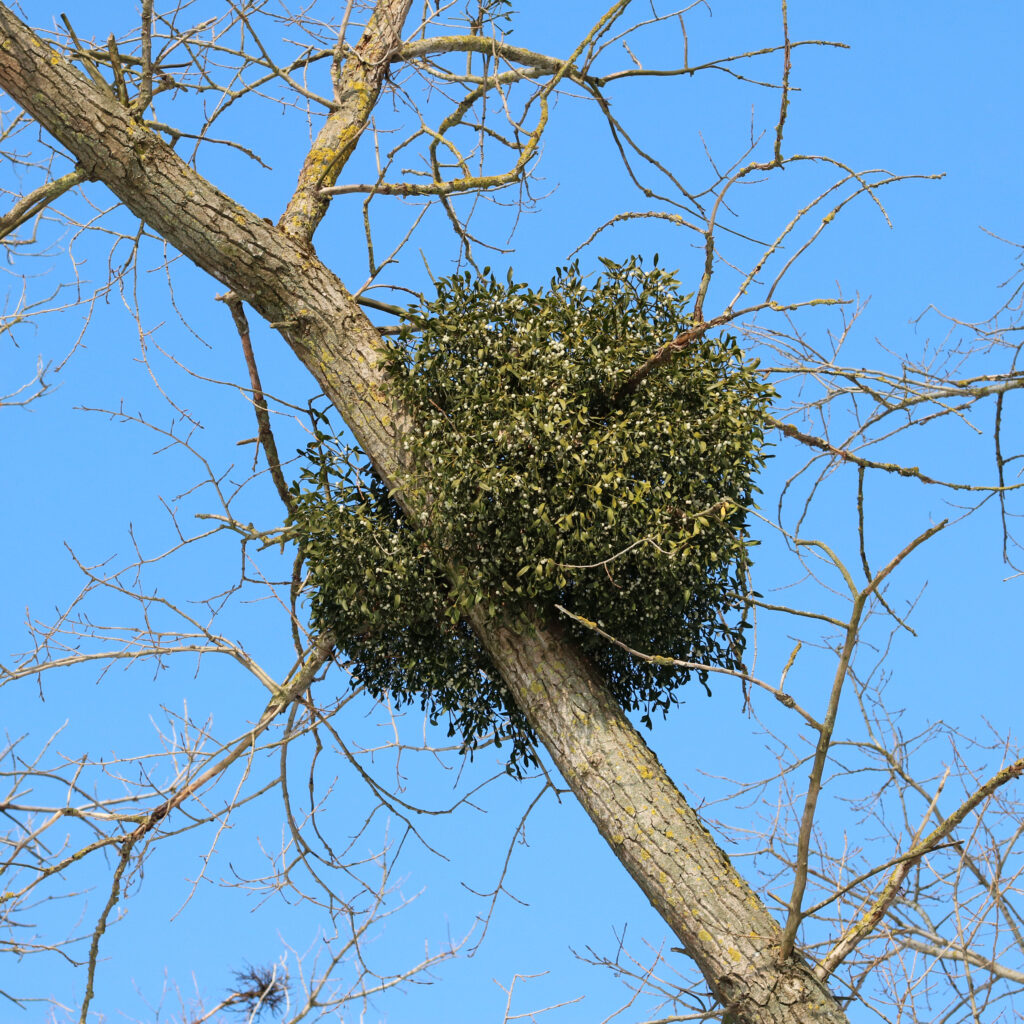
Think of mistletoe as a parasite that quietly steals from your tree. In Northern California it shows up most often on oaks, maples, and some conifers, and it usually starts small — then spreads. Spot it by looking for: Dense green clusters mid-branch or up in the canopy Swollen or malformed branch tissue where it’s […]
How to Identify Gray (Digger) Pines
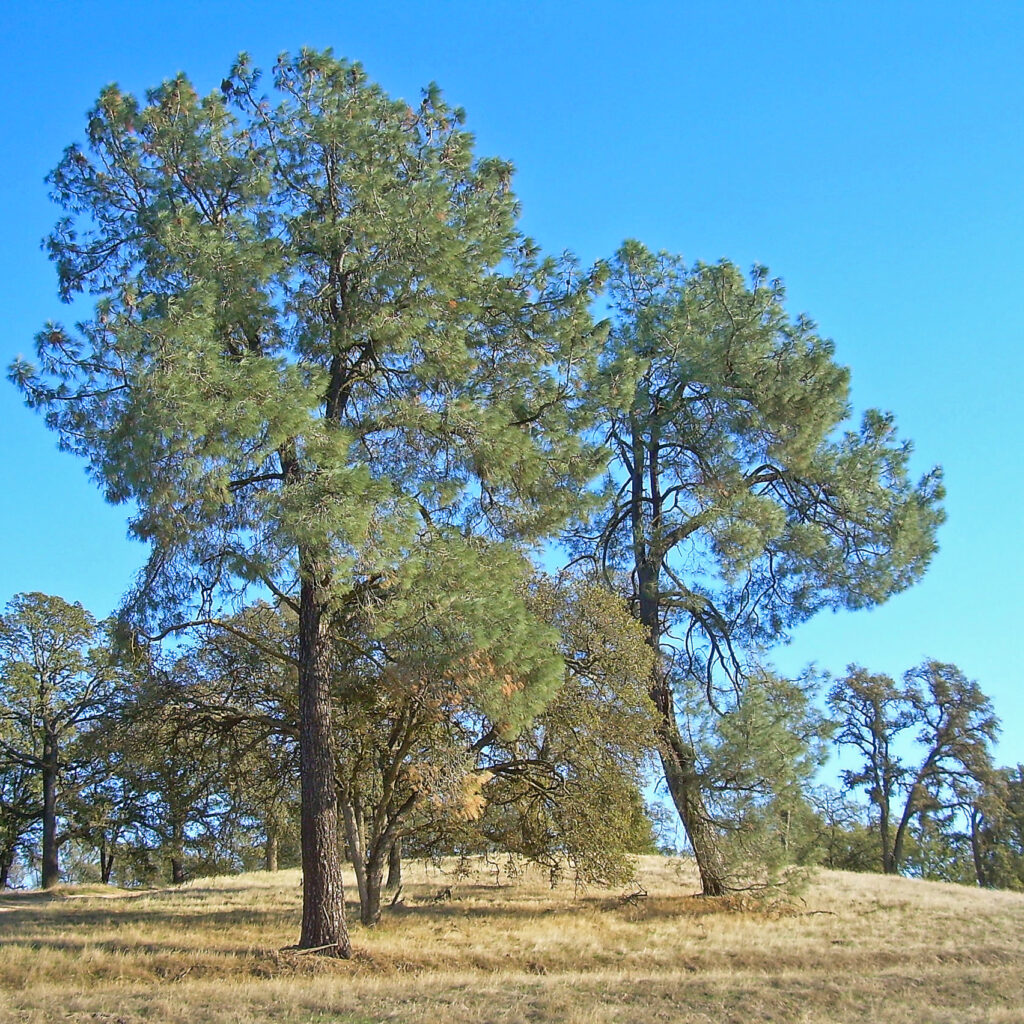
Gray Pine, or Digger Pine (Pinus sabiniana), is a California native that’s easy to spot by its distinctive structure. Look for: Open, irregular canopy with widely spaced, spreading branches Long needles in bundles of three Heavy, downward-hanging cones Gray, deeply furrowed bark Why It Matters Gray Pines have poor branch structure and large, spreading limbs […]
Codominant Trunks: A Hidden Tree Risk
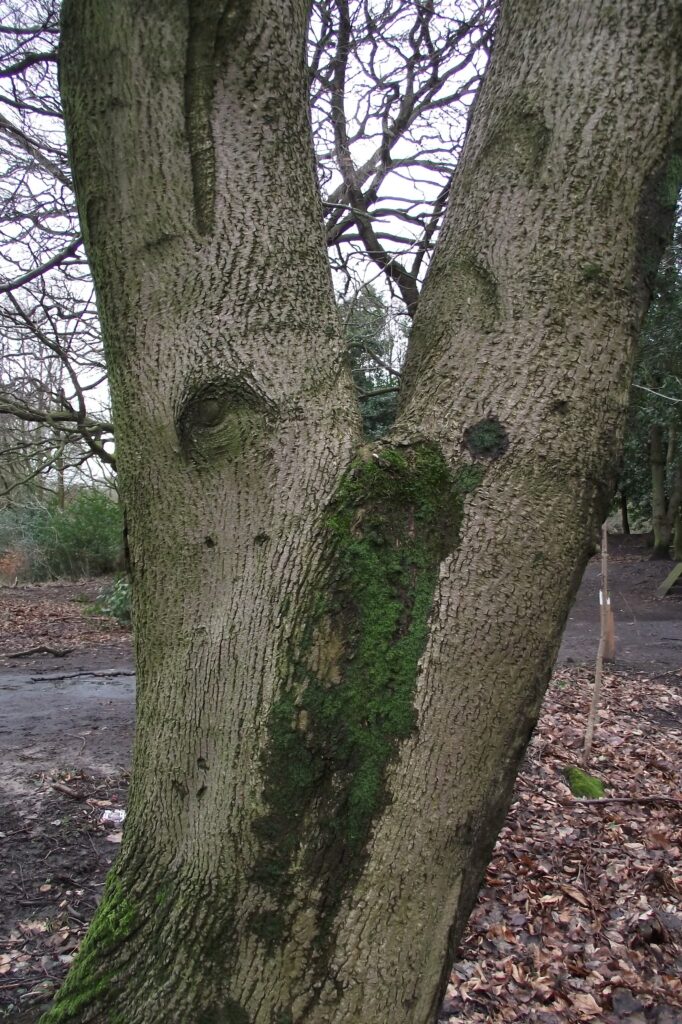
Codominant stems occur when a tree develops two or more main trunks of similar size from the same point instead of a single leader. This is a common structural defect and a leading cause of unexpected tree failure. Why They’re a Problem Included bark weakens the attachment between stems Poor structure increases the chance of […]
Bark Beetle Damage and Prevention
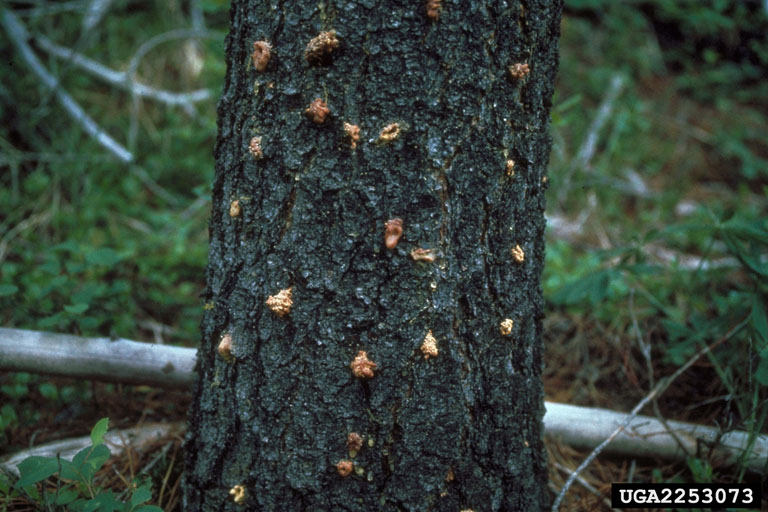
Historically high temperatures and drought-stressed trees have led to increased survival rates of bark beetles. These pests primarily target cedar, fir, pine, and spruce trees, though they can also affect other types like arborvitae and redwood. Bark beetles attack weakened trees by boring into the bark and damaging the cambium layer, which disrupts the tree’s […]
Recognizing and Preventing Tree Dieback
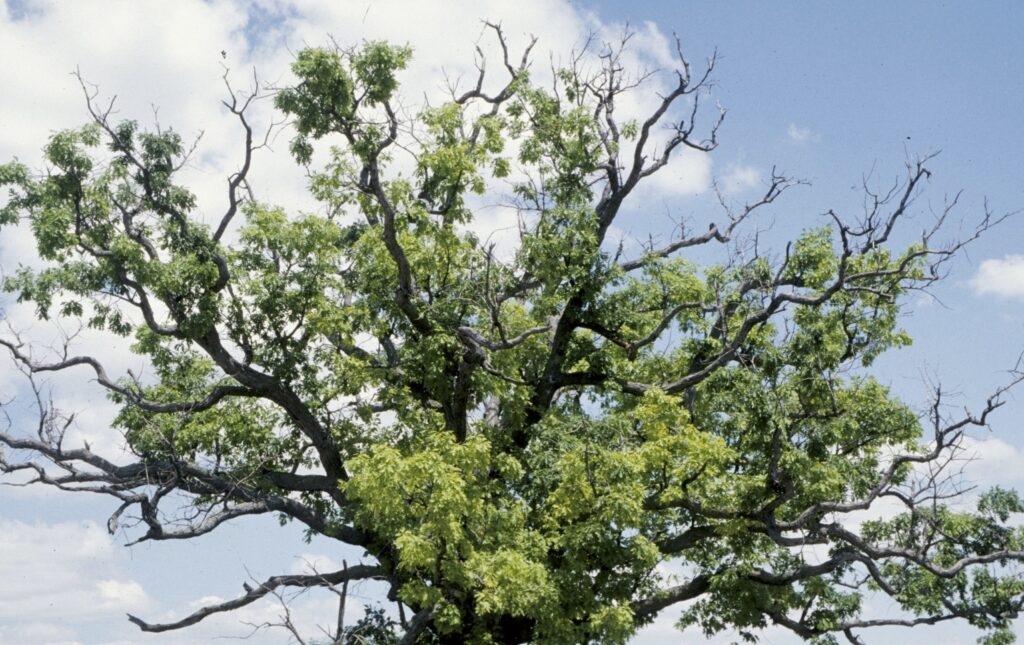
Tree dieback is a gradual process where trees kill off branches due to severe stress or decline in the natural life cycle. Trunk sprouts are leafy growth on a tree’s trunk that often accompany dieback. Protecting the root system and bark is crucial for tree longevity. As trees age, bark renewal becomes tougher, making them […]
Tree Cracks: When to Worry
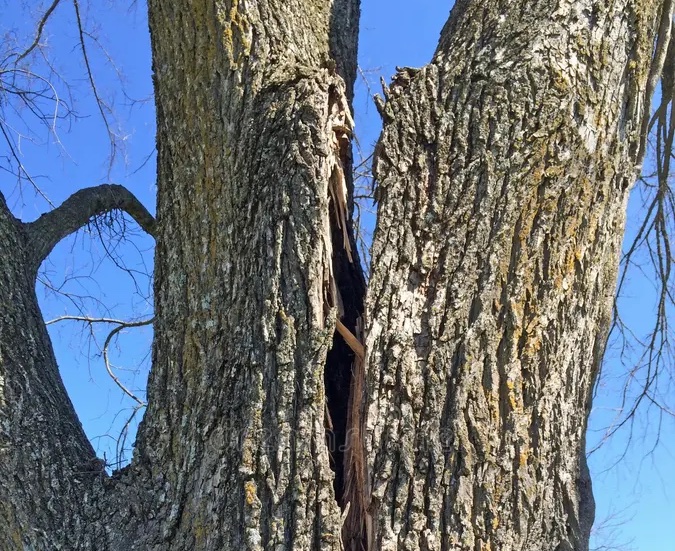
Cracks in trees are common, especially in older trees. Cracked trees regularly stand for many years when the wood behind the crack is healthy and sound. On the other hand, cracks can pose a significant threat depending on where they are located. Here are some of the main times cracks can be an issue: • […]